by Marcia Davis-Dawkins | Jan 8, 2019 | Education, Kids, Parents, Teachers
Can We Forget Where We Come From?

By Dr. Marcia Davis-Dawkins
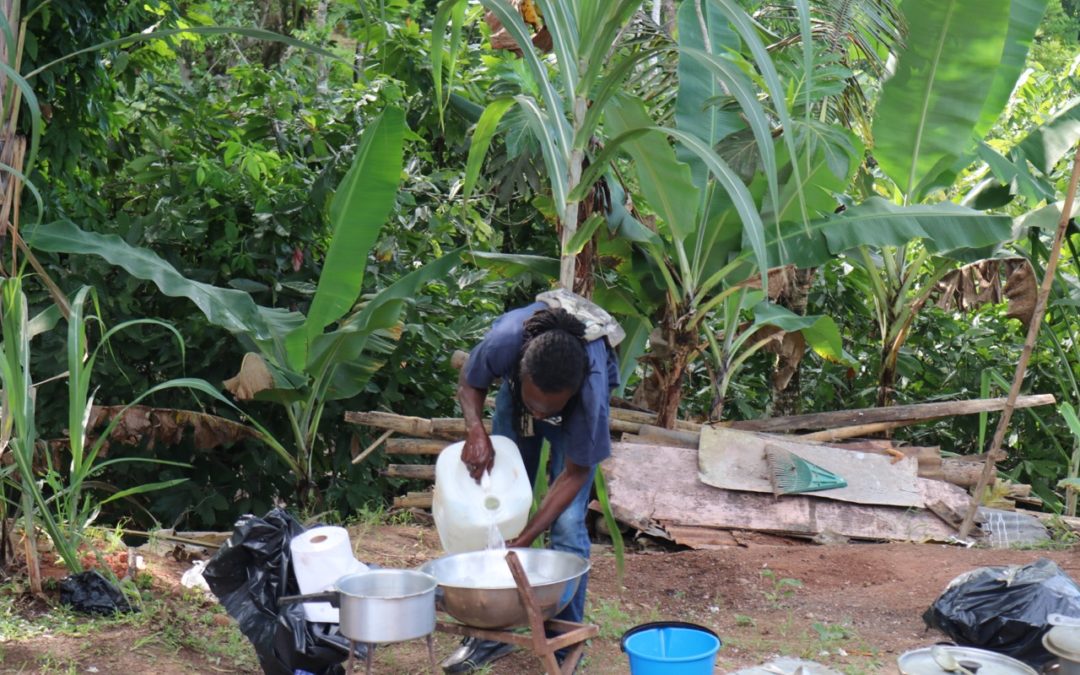
I was recently privileged to be a part of our family reunion where we went back to our roots where our maternal parents and grandparents lived. It was really different because there was no running water. However we got water from the nearby spring. Being there was very nostalgic since I lived there at one part of my primary years. During my quiet times, I wondered how we survived without some of the basic things in life – running water or electricity. Vivid memories flooded my mind including having to go to the spring to get water to do many essential things that many may take for granted today. I thought of going to the river to wash clothes and at times bathing. As a farmer, my grandfather would plant various crops like sugar cane, oranges, coconuts, coco, coffee, ginger, yams of varying names and textures. I was fortunate to witness the planting as well as the harvesting of these crops. Some of the crops were cash crops while others were for our consumption. There were also livestock, including chickens, cows, goats and pigs. My grandfather at times would slaughter various livestock and sell to the neighbors in the community.
There are many people who would not like to remember where their origins are because the memories are so painful and they would prefer to bury them. Quite frankly, I understand their reasoning, but for me they’re my roots and the experiences helped and molded me into who I am today. And I would not say that life was great and stress-free. I am sure that they are people who would say that they are now glad they are out of the situation that they grew up in and would not want to go back now that they are successful. They might be irritated they had to experience the poverty and dare I say, the humble beginnings. Some of the memories are so cemented into my mind that I can’t forget them whether good or bad. I am truly convinced that they made me stronger and weren’t meant to demean my humble beginnings. I guess when I was sent to spend time with my grandfather, during my primary years to teenage years, I didn’t think those were wonderful years. But now that I am older, I have learned to appreciate those foundational years. I know that my grandfather was a vital and invaluable part of my upbringing. As such, I have learned to never forget where I came from, but never to let it hold me back from where I want to go.
 Some of us (including some family members) have sought ways to remove or refrain from remembering the struggle of their childhood days – especially if they see them as too painful or violent for that matter. I can’t say I blame them but can say, “different strokes for different folks”. Still there are others who might associate their childhood days as confusing, lonesome, or filled with rejection and they prefer to escape from or drown those memories.
Somehow as an educator, I have been thinking of how the students would eventually think about the impact that I have made on my students’ lives. It is my hope that they will never forget me as a motivator and that I played a vital and invaluable part in their lives. I really would like them to feel that even though the lessons and experiences were sometimes difficult they will help to make them who they will be in the future. I have often thought that through lessons I can share part of my early childhood stories (where appropriate) so students can identify with me and feel that they are not alone.
Since the teacher wears many hats and one of them is that of providing a home (in the classroom) for students, then the hat includes making the classroom a home where the heart is. No matter what one accomplishes, one must never forget how one began. That enables one to have enough confidence to hold his/her head up high, but also enough humility not to look down at others. As Ralph Waldo Emerson stated, “A great man is always willing to be little.”
Education and Success
by Marcia Davis-Dawkins | Dec 18, 2018 | Education, Kids, Parents, Teachers
Family is Everything
By Dr. Marcia Davis-Dawkins
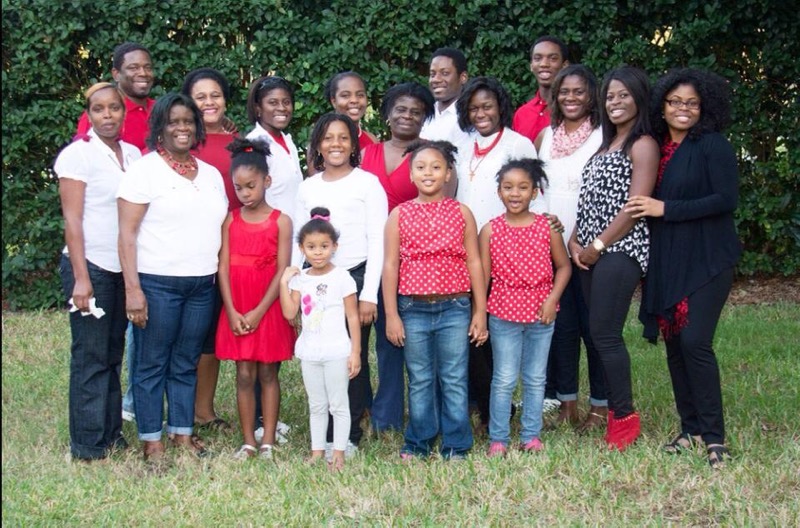
Holidays are centered around family. I have always been a person who loves and enjoys being with family. When I was growing up, one of my friends said that “I wasn’t a family person” simply because I didn’t grow up with my mother and father like most people do. I don’t think I ever got over that statement. In fact, a few years ago, I sought clarification from the friend only to be told that he was immature and never understood me. For the record, I grew up with my aunts, who were both teachers and might have steered me in the direction of being an educator. Most people don’t know or understand the reasons children don’t live with their parents and are quick to pass judgments. But does that mean that they are not living in a family or that they don’t desire a “traditional family” life? How do we define ‘family’? Most people define a ‘traditional family’ as a married mother and father along with biological children living in the same house. We might also say that was once upon a time – since there are so many new ways to define a family these days. However we define family, it should include being supportive, understanding – being there to help with homework, attend school events among other things.
Never Underestimate the Power of Family
Now that I am older I can say I was a tad bit embarrassed to admit that I was not part of a “traditional” family and even more embarrassed that it was a single parent family. It seemed almost like a crime or a sin to me! With age comes wisdom, however, and I have come to realize that my family may not have had it all together, but together we had it all. Despite missing the conventional cast of characters, my family was there for me through the best of times and the worst of times. Many things change during the course of your lifetime, such as friends, jobs, your morals, your style, but the one constant is family. They provide for your emotional and physical needs without you demanding it and stand by you. Their presence ensures that you will be loved for the rest of your life, no matter what.
 I often wondered how my students felt growing up in a single family home, especially since for me I had the experience of my friends growing up in the traditional married parents family. Because of that I always empathize with my students who would tell me secretly that that lived with their aunts, grandma or others who were not mother or father. I always felt the need to assure them that it was okay and that it was not the end of the world. It is also such a sensitive topic when the situation is that the parents are deceased and the lessons are centered around family discussions or activities, such as when we are reading Sarah, Plain and Tall by Patricia MacLachlan, where the mom in the story is deceased. The story’s theme explores loneliness, abandonment, and coping with change. Then there is that time when it’s Mother’s Day or Father’s Day and the activity is to make something for the parent, who unfortunately, is deceased. As
  educators we have to be mindful of these situations and know our students and know their backgrounds and ensure that we plan our lessons carefully. Family is everything, but we cannot allow our students to feel left out. We should make them feel like our classroom is a family setting and help them to cope through the difficult times that they may encounter. We cannot replace blood relatives, but can be that “family” that is a valuable resource for helping them through onerous times. Knowing this support system is available to them offers the security they may be lacking at home. Never underestimate the power of “family,” the most important gift in our lives.
True Friends Never Part
by Marcia Davis-Dawkins | Dec 3, 2018 | Education, Kids, Parents, Teachers
Where Have All the Flowers Gone?
By Marcia Davis-Dawkins
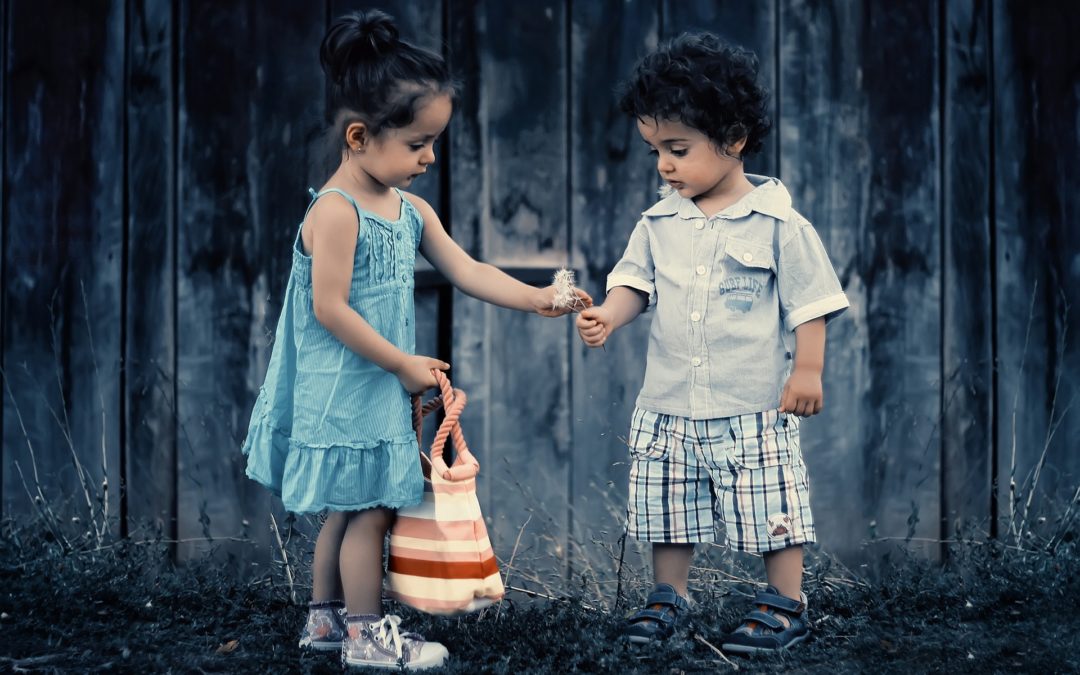
In a world where we can be anything that we want, I strongly believe that we should strive to be KIND! Kindness seems to be a word that is disappearing from our vocabulary and dare I say the world. It’s so easy to see others in sadness and prejudge them and assume they “deserve” the sadness.  Sometimes things happen in our lives and the first thing we say is that we will get back at that person who harmed or hurt us. I recently parked and dropped my daughter off so she could take care of some business. We had planned to go somewhere else after so I would simply wait in the car. Since I know how crazy life can get I usually park far away so I won’t get hit by another car that’s parked close (or is trying to park next to me). On this day I watched this woman park so close, that as she opened her door, the wind blew the door and it swung open and hit mine! In my mind I knew it was bad because I heard and felt the impact. Well, the woman simply re-buckled her seat belt, pulled in her door and was ready to move off with no apologies. I rolled down my window and beckoned to her then mouthed, “You could have said sorry!” I thought, “Wow, no one cares, Marcia, just suck it up and live with it.” But as I took a breath and composed myself, my thoughts went further, “At least I am okay and she might not be!” She could have been dying inside but I also wondered, why kind people have become a rare commodity in life. Did I intimidate this woman? I could have called the cop and she saw that I was in the car. Or was I invisible?
How can we (educators) ….
This was actually day two of my demise. The day before I couldn’t get access to a building because my ID “was miscoded” as per a security personnel hours prior. After several attempts, I saw another security officer who watched me fail to gain entry to the building. I got out of my car and moved towards his car to get further instructions and he drove off! My anger brewed, but I held my composure because I didn’t want to seem unprofessional. I wanted to make it right as I was not sure who was watching and how my reaction would impact that person who was witnessing the event. I really am trying to make a more positive impact. Interestingly, I thought of two Bible verses I learned a child– first, “A soft answer turneth away wrath, but grievous words stir up anger.” Proverbs 15:1 and the second, from Philippians 4:5 “Let your gentleness be evident to all.” I also thought that even though the education system does not build its principles on the Bible, they are worth pondering. I could not help but wonder how can we teach our students to be kind and be conscious of what they say to others? How can we (educators) make a difference in students’ lives or even our colleagues’? How can we help to make them into “flowers?” There are so many moments of hate, war, meanness, bullying and such. We must remind our students and ourselves that while it is easy to be mean and hateful, it takes true strength to be kind, especially to unkind people, who, in all likelihood, are the ones who need it most.  When you have a bad day, attempt to treat the world better than it treated you. Greatness is not in what we have, but what we give…give kindness and watch the garden flourish.
The Teacher Who Makes a Difference!!!!!

by Marcia Davis-Dawkins | Oct 15, 2018 | Education, Kids, Parents, Teachers
Peace in the Midst of the Storm
By Dr. Marcia Davis-Dawkins
As educators have you ever entered a classroom where there is total chaos? I have on several occasions and at times (if I want to be totally honest), I do feel like I want to run, hide and go away from the situation. And I do run if it’s not my room but then if I am the leader of that room, I have to take charge and try to fix the chaos. Calm for me brings a sense of peace and I act and respond differently much like butterflies flying in the atmosphere. Unlike calm, chaos makes my head feel as if it’s going to explode. The classroom can be very chaotic at times and as the educator, I have to have classroom management so that there is a sense of calm in the room at all times. This is not an easy task especially when there are 25 bodies with 25 different personalities in one room. If as the teacher who wears several different hats, I have to know these students and ensure that I am meeting ALL their learning needs so as to prevent chaos for them and for me.
For the students
who enter the classroom with a chaotic mind because their homes are chaotic. They enter the classroom already rebellious and stressed because the tone was set in their homes as they leave or the night before. How do we help them and how do we know that there is chaos/confusion? We might be and could be their source of peace and calm so we have to be able to read them and set an environment of calm and peace as they enter the classroom. Who knows we might be their escape from the unfriendly (warlike) home they left. Our students are depending on us to provide that peace and calm. So we should then be prepared for them. Here are few tips that are recommended to provide that sense of peace for our students.
- Rely on schedules, routines, and procedures it helps to promote order hence peace.
- Maintain a clean, organized classroom that helps and creates peace and calm
- Be the same teacher yesterday, today, and tomorrow so they learn how to trust and want to be around you the teacher. If a teacher is constantly absent and students see different teachers or substitute then this could cause chaos.
- Be kind so you are the role model
- Protect your students from misbehavior so they understand that you care
- Don’t take misbehavior personally as some students are unaware of what good behavior looks like
- Maintain a peaceful learning environment so they want to learn and want to be at school in the special environment.
- A Safe Haven so they feel comfortable and special
- Address students by name so they feel wanted and appreciated
- Use “please” and “thank you” they understand how being polite look and feel like
- Listen to our students and teach them how to listen to others
- Don’t allow bullying/teasing/put downs
 I am sure that as educators we feel just as chaotic at times because we are humans but we can and should find time to meditate and reflect, exercise and especially for me do a lot of self-talk and positive affirmation. The world around us can be so unkind so we should definitely find some “me” time so we have solace in our space. This will definitely help us to be prepared for our students.
Simple things like routines help your students know what to expect, which in turn helps them to feel calm, competent, and ready to learn. Even brain breaks can help to break down the monotony of always doing Math or Language Arts. Fun activities so they can as it implies give the brain a break for dreary tasks. We would surprise how unassuming activities can help to move toward building a community of peacemakers and calm in the classroom. Let’s help to create the calm in the midst of our students’ storm!
Ride Out the Storm

by Marcia Davis-Dawkins | Oct 1, 2018 | Education, Kids, Parents, Teachers, Teens
By Dr. Marcia Davis-Dawkins
In his First Inaugural Address, Franklin D. Roosevelt (FDR) said; “ The only thing we have to fear is fear itself.” I found myself thinking about that quote recently when I was enlisted to present professional development to a group of educators like myself. What I inferred from FDR was that if we fear things, it will simply make matters worse. In effect, it can damage our self-confidence and wane our ability to move forward. The fears we don’t face become our limits. Understanding that gave me the courage to work through my trepidation with favorable results.
As humans we fear many things,
so much so that there are several characteristics or forms of fear known as phobias. You name it and there is a phobia for it. Why do we have fear? In my case, was I afraid that my audience would berate me, or that I would falter in the delivery of the material? Why do you fear and what do you fear? The high school I attended in Jamaica had several huge lignum vitae trees on the school property. These trees provided shade for the girls, as well as a place to sit when we wanted to eat lunch outdoors. (Seats with tables were made around the trees). As wonderful as the trees were, during the school year they were filled with caterpillars – they were everywhere and infested our comfortable haven while we were trying to enjoy lunch or waited to switch classes. The fear was the caterpillars!!! We knew that they would eventually be beautiful butterflies, and our fear was irrational, but that creepy, crawly stage horrified us.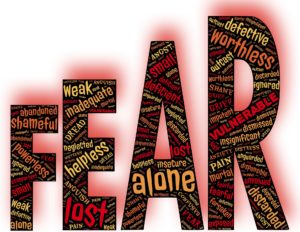
As educators we fear getting a bad evaluation, having a class we are unable to manage, missing deadlines, performing poorly on a test, among many other things. But I do want to point out that there are times when fear is an asset and becomes a strength — simply because we didn’t realize that we were capable of doing certain things.
Since we are all humans, we know that our students will have fears as well – fear of the teacher, fear of learning, fear of being bullied, fear of a new environment and even fear of the unknown. It is our job and one of the many hats that we wear to help them conquer their angst and help them to believe in themselves. Some of those same students might even have their teachers to thank because the teachers helped them to overcome their fears. I know that because I am one of those teachers whose former teacher helped me to conquer my fear of being a teacher! Let us encourage our students, fellow educators and ourselves since encouragement brings oxygen or nourishment to the soul. Remember that FEAR can translate to Forget Everything And Run or Face Everything And Rise. The choice is yours.
Rise Above

by Marcia Davis-Dawkins | Jun 14, 2018 | Education, Kids, Parents, Teachers
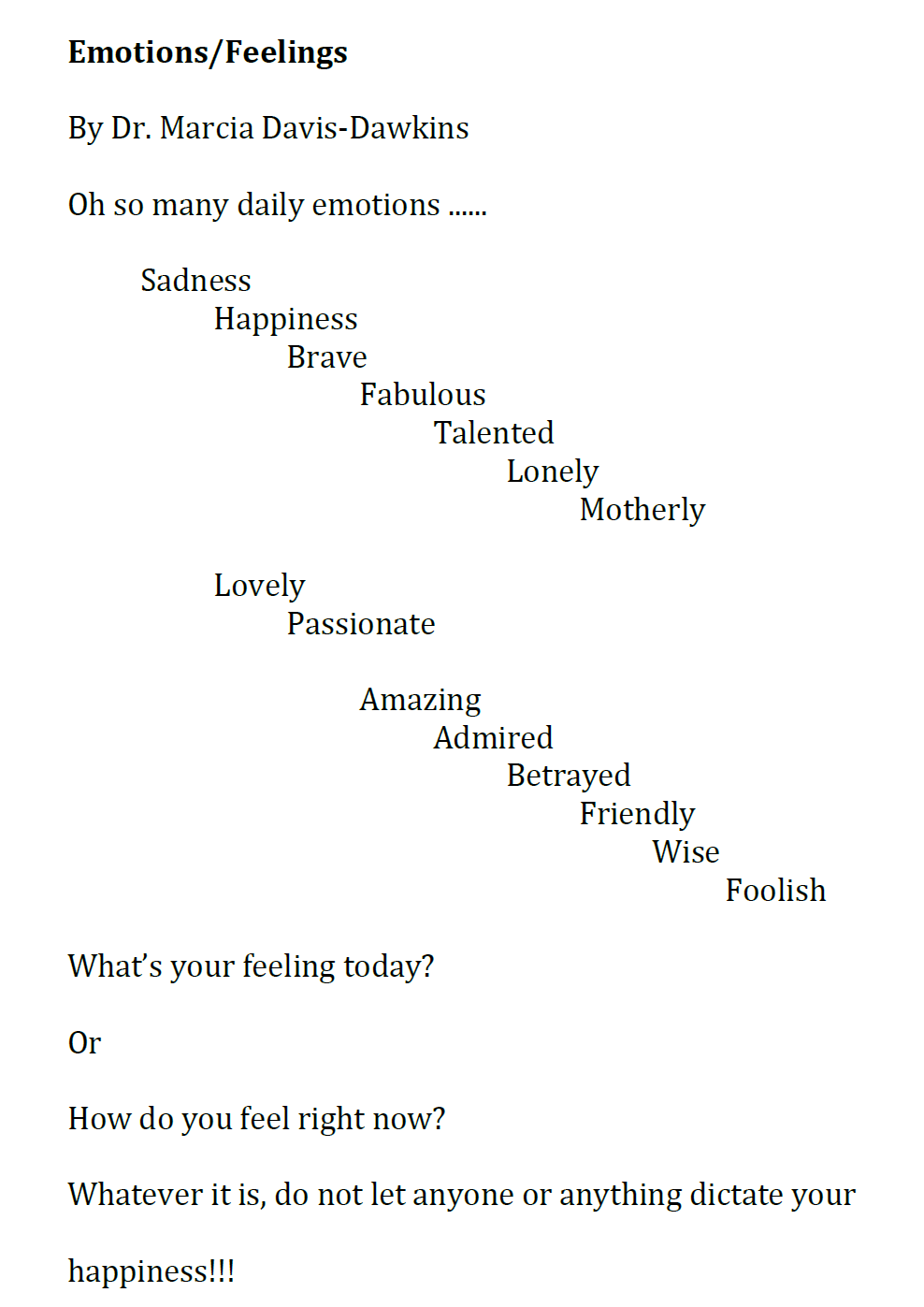
Emotions/Feelings
By Dr. Marcia Davis-Dawkins
Please Read My Poem on Emotions! Sadness and Happiness
Brave Fabulous Talented
Lonely
and more …
The Power of Words
The Power of Words II