by Marcia Davis-Dawkins | Dec 19, 2017 | Education, Parents, Teachers, Teens
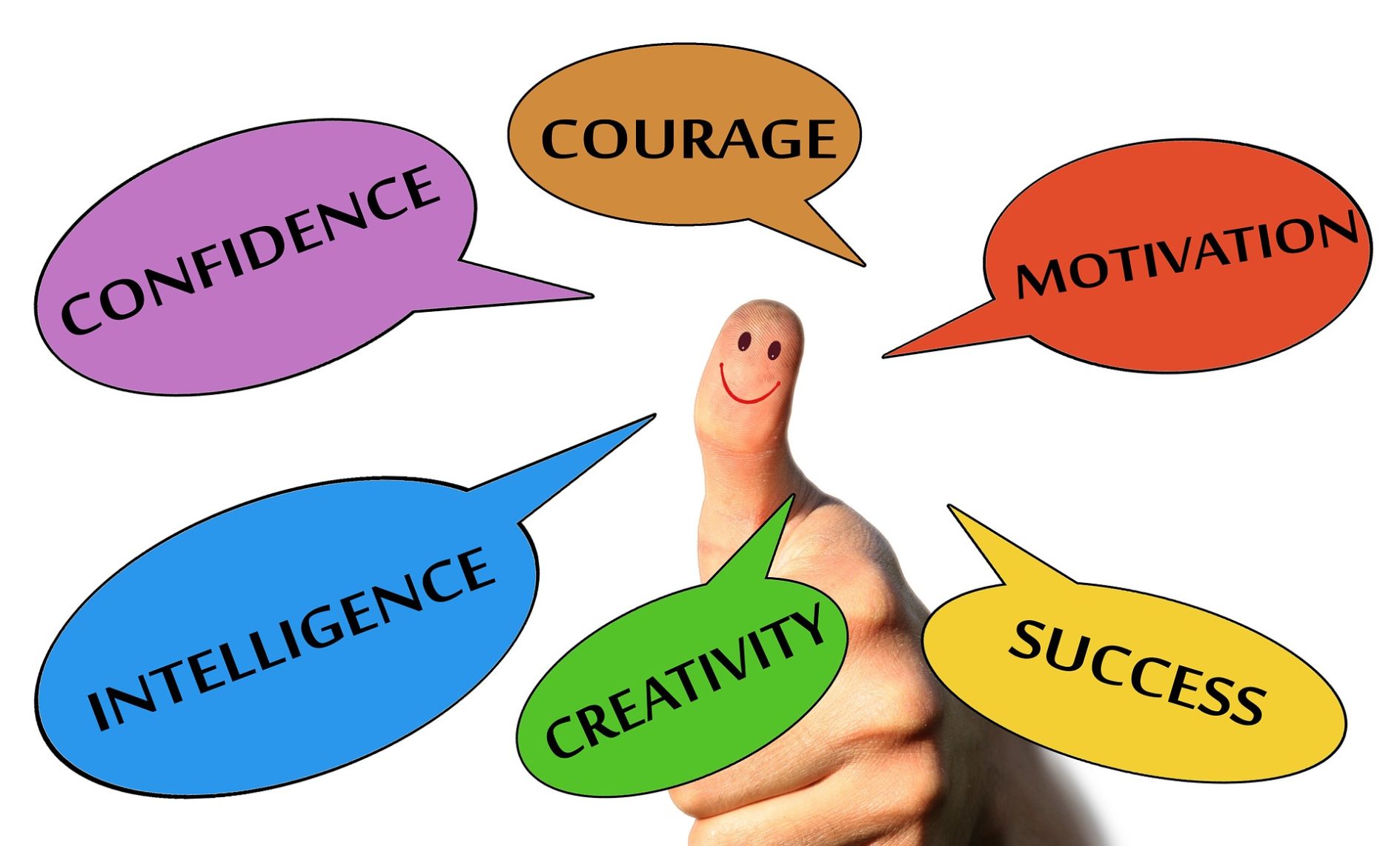
Education and Success
 By Dr. Marcia Davis-Dawkins
“What are you studying again?” “Why are you still in school?” “You are still studying?” These are some of the questions I often hear from my peers or family members. I heard those questions so many times that I just wanted to take a few steps back and look at them under a microscope.
Professional Student 
I guess being hungry to learn, or what some people refer to as a “professional student,” is seen as a terrible thing. Some people, including myself, are often referred to as professional students, but are simply trying to study for several reasons. What are some of the reasons why people study or go further than high school education? The list seems endless, but includes some of the following: –
- To climb the ladder of success
- To be someone
- To use as an equal opportunity
- To gain knowledge
- To improve one’s knowledge
- To be more diverse
- To be more proficient in their aspirations in life
- To fulfill job requirements (to get promoted)
- It is fun to learn – some people just simply like to learn
- To gain employment
- To make more money
- Want to get a higher education than their parents did
- To set an example for their children
- To switch careers
- To make a connection (meet people) or to network
- To reinvent self
- Love to learn
- Gain independence
- Employment
- To break the glass ceiling
The reasons may vary but ideally, in the long run once you are educated no one can take education away.
As I reflect on myself as an educator, I wonder how students feel about being in my classroom. Do I encourage and promote a love for learning? I can engage students in continued learning so they enjoy and value learning
Changing the powerless with Education and Success!
Since I am given the curriculum, I should try to focus on the classroom environment, the materials that I use to engage the students, as well as their interests. The activities and materials that I use to teach students should not be boring or mundane. If I show enthusiasm about the subjects I teach, then students will be excited about learning and want to keep learning. I should explore the various learning styles to meet my students’ needs. Do I value their thinking? Do I think about their differences? Do I set specific learning goals for the students so they will love learning? I should always be thinking about how I can help my students feel a sense of belonging and also get to know their parents. I can implore upon them that education holds them up for the rest of their lives. It’s part of the foundation upon which everything else rests.
As a teacher, I can share information about the student’s specific areas of weaknesses and strength so I can help parents realize the underlying causes of their child’s difficulty. This conversation can also include information about how to help their child use areas of strength to support areas of weakness. This will promote success for the students. I can use my educational status to change the powerless.
It is vital to remember that in this fast paced world, staying in the same place is actually going backward. If you don’t keep learning, if you choose to stand still, you will fall behind in the game of life. It’s usually what you learn after you think you know it all that is the most valuable!
by Marcia Davis-Dawkins | Dec 4, 2017 | Education, Kids, Parents, Teachers, Teens
The Teacher Who Makes a Difference!!!
By Dr. Marcia Davis-Dawkins
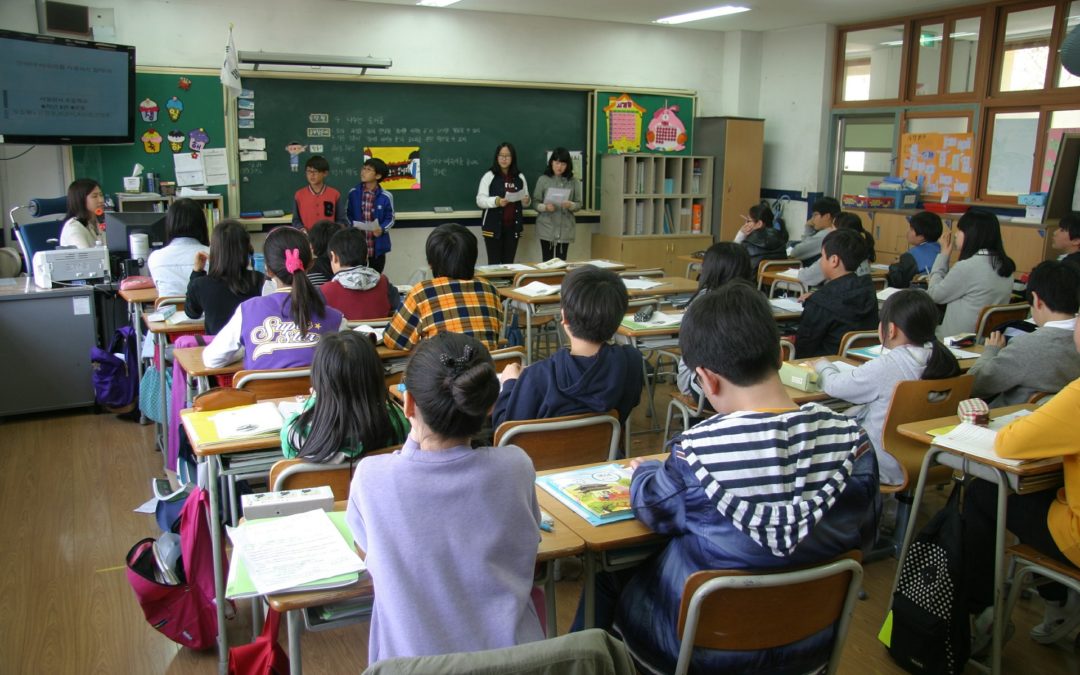
Gail Goldwin once said, “Good teaching is one-fourth preparation and three-fourths theater.” It is not uncommon for teachers to spend many hours  grading papers, preparing lessons, entering grades in computers and just figuring out how to make a lesson fun and exciting to students. Those teachers who go above and beyond to help everyone they meet deserve hugs and the highest honors. To the teachers who have to wait for the custodians to open doors to the school every morning, this is for you. Because every time I feel like I’m early for work at 7 am, there are a few people who are already ahead of me, photocopying assignments for learning groups.
Being Ready to Teach
By 8:35 am every morning those same teachers are ready to teach with creative, interesting, rigorous and thought-provoking lessons. Lessons that open the students’ minds, and not only encourage them to absorb facts, but acquire understanding.
Many years ago when I was hired to teach at an urban school district in New Jersey, it was hard to adjust to the new environment. But the same teachers who were up early in the morning to prepare, were the same ones who welcomed me, by having students write me letters of advice on how to become a wonderful teacher like the ones they already had. Since that day, it has been my quest to make my classes just as fun- filled and rigorous as their classes. It was William Ward who said, “The teacher explains, the superior teacher demonstrates, and the great teacher inspires.” The teachers who go above and beyond have motivated me and so many other faculty members to be the best teachers we can be by seamlessly weaving fun and custom wrapped methods which result in success for divergent personalities.
Having humility, patience and enthusiasm for the subject area is how inspirational teachers continue to do so well. They have high expectations for their students and the students enjoy the encouragement as they rise to the challenge. They provide a warm environment that allows their students to make mistakes.
On a professional level, these teachers are always willing to collaborate and make suggestions where needed. Great teachers do not say things like, “You’re really not cut out for this.” “This is not your thing.” They realize that students soon learn their own limitations and do not erect false ceilings up for them. Inspirational teachers have been consistently driving students to be the best that they can be for many years.
When a school is divested of such individuals, whether through attrition, retirement, reassignment, etc., everyone suffers. Sure, their positions may be filled, but they can rarely be replaced. There remains a resounding void, both in the classroom and in the hearts of those for whom their inspiration may have been his or her last hope. Teachers Who Makes a Difference
HOME
Get Notified About Our Blog Post Subscribe Below

by Marcia Davis-Dawkins | Nov 20, 2017 | Education, Parents
Learning Designed For Every Student
By Marcia Davis-Dawkins
The 21st Century has witnessed several approaches to enhance and facilitate students’ learning. One of the new paradigm shift is Universal Design for Learning (UDL), which is a teaching strategy designed to meet the needs of every learner. It is ideal for all students, especially those who have learning and attention concerns. Educators are always looking for innovative ways to impart knowledge since no two students learn the same way.
Here are a few tips about UDL: 
- UDL is the umbrella for differentiating instruction and helping students learn 21st Century skills.
- There is no one kind of learning: –
– learning differs across tasks
– learning differs across development
– learning differs across individuals
- Provide students with multiple means of: –
Representation – (the “what” of learning) accessing information, the visual presentations, audio text support, multimedia presentations
Expression – (the “how” of learning) of knowledge based on students’ unique viewpoint, options for expressive skills and fluency
Engagement – (the “why” of learning) engagement with the curriculum; option to reduce threats and distractions
teachers are accountable for the learning of diverse students:-
-Learning disabilities
-Sensory and physical disabilities
-English language barriers
-Background and cultural diversities
-Emotional or behavioral problems
-Lack of interest or motivation
Overall, people/students do not receive, process or remember information in the same way.
- Curriculum needs to incorporate flexible materials
- Teachers need to be proactive rather than reactive after students falter
- General educators and special educators must collaborate
- Embedded UDL concepts to release the learning potential of ALL learners.
Speaking as an immigrant, I intially doubted myself and enterprises usually seemed bigger and more difficult than they were. The tasks at first seemed overwhelming when I looked at the big picture, but I decided that I didn’t want to be left behind, but to keep up the pace. I have tackled a few missions myself, one of which is the SMART board, and each day I get more excited about using this technology. I look forward to the wonderful opportunities for learning and growing that the pathway of UDL will pave.
As educators we must keep up with the pace – Make learning both enjoyable and relevant to “natives” – Shift your thinking!
Below is a link for of an article highlighting a school in Jamaica that is using technology in education.
http://www.jamaicaobserver.com/news/use-technology-for-teaching-and-learning-educators-urge_114810?profile=1373&template=MobileArticle

by Marcia Davis-Dawkins | Nov 14, 2017 | Education, Kids, Parents
The Power of Words
By Dr. Marcia Davis-Dawkins
Growing up, I was often compared to many, including and especially to, one of my siblings. What is interesting about this situation is that I am the first of six. This meant that the comparison stung more than others because I should have been the one who served as the role model for my siblings.
Self-Confidence 
My self-confidence has been on a roller coaster ride to the extent that in my youth, many adult mentors chose to underscore my faults rather than encourage my proficiencies and potential. In other words, my accomplishments during those years were not expressed as ‘achievements,’ but rather any minute negative was highlighted, emphasized and broadcast to the world.
There is a very well- known verse in the bible that highlights the fact that there is life and death in the power of the tongue (Prov. 18:21 NIV). By extension, Deuteronomy 30:19 encourages the former, saying that we should choose life. Accordingly, when we speak to others, our words should speak life, not death. This way of life also has great rewards.
Another encouragement passed down through generations is “If you don’t have anything good to say, don’t say it!” Speak life to yourself and your students.
Rise above the negative utterances people have to say, and ensure that they do not bear fruit or are repeated. Only repeat words that are true and positive.
My heritage molded who I was destined to be, but I had to change my mindset from the consistently negative words inadvertently hurled at me so I could become prosperous and productive.
Like many things, change is difficult. I realize however, that there is the opportunity to be a beacon of hope for others to whom I am exposed. Self-motivation contributed significantly to my ability to spread the good news to my students. Justice Clarence Thomas once said, “The old man Can’t is dead, I helped to bury him.” In fact, I have those words hung in my room so that my students can share the experience. I have even had some of my students perform the burial of Mr. Can’t! I have literally seen the difference. I want them to treasure education just like a hungry man treasures food. I want my students to see learning/education as a way to grow – the same way food helps them grow. They can develop through education that will take them places. I find that often, the students give up too easily, and if I can encourage them positively through my words and my actions, then they will start to believe in themselves.
HOME
by Marcia Davis-Dawkins | Nov 7, 2017 | Education, Kids, Parents
“A friend in need is a friend indeed!” I have been both privileged and blessed to have the same set of friends for over forty years! To me, that is an amazing accomplishment. I know that if I were to look up the definition of friendship, I would find words such as trust, loyalty, and support. According to Maslow’s Hierarchy of Needs, we all need to belong. We all need someone with whom to identify. We all long to be a part of something more considerable than ourselves, whether it be a family, a clique of friends, a religion, a group of co-workers, a choir, or unfortunately, even a gang. The idea is that we want to be an important part of something greater. Sometimes we yearn to belong to a group so we can cover our emotional pains. We hunger to know that people care about us, because in many ways, love heals. Friends protect us from being lonely, and comfort us when we are down and discouraged. Friends are also supportive and encourage fulfilling and rewarding conversations.
As an educator, it is my duty to teach my students how to care, one of the most important functions of being a good friend. I can do this through several areas, one of which is simply to know my students’ names. Some teachers find this task daunting, especially when assigned a roster of nearly one hundred students. But just as the time cultivating friendships in our personal lives reaps rewards, so will learning the children’s names. This sends the message to them that they are important, that we recognize them as individuals, and that they matter. It also builds a sense of community within the classroom. Not to do so makes we educators appear disinterested and unapproachable. Accordingly, why should the class be interested in us and more so, what we teach, when they don’t feel valued and recognized?
A caveat should be offered here, however. Students need teachers who inspire them to grow and be more than they are today, not an imitation of their current selves. Some teachers, in a misguided effort to be “friends” with their students, dress and act like their students. A true teacher/friend remains clearly adult, promoting learning and offering insight.
Another way of showing that we care is to demonstrate compassion. Some people believe that a compassionate classroom lacks academic rigor, but it is just the opposite. When students feel that they belong and are genuinely cared about, they are more likely to take on challenges. They know that even if they fail, they will be buoyed by support and encouragement. Methods such as short conversations and kneeling down next to a student for discussion while making eye contact garner far better results than yelling and looming menacingly overhead. By showing compassion, the student will eventually reciprocate that same behavior, to fellow classmates and friends alike. Just as we don’t write off our friends after a small disagreement, we should also have a forgiving heart with our students. Each day starts with a clean slate, and we never know how that simple act of thoughtfulness can impact a student’s life.
HOME
Determination and Perseverance

by Marcia Davis-Dawkins | Oct 22, 2017 | Parents
Parental Involvement and Students’ Success
By Dr. Marcia Davis-Dawkins
The African proverb “It takes a village to raise a child” has often been quoted over time. The notion of “a village” refers to the communal help of bringing up the child in a society. It also highlights the onus of raising a child as being partly on the members of a community, including schools. Accordingly, a child’s upbringing is therefore a collaborative effort, and not solely the responsibility of the parents. The African proverb can be confusing, as well as controversial, since in the 21st century, community members would prefer not to get “involved” in parental duties.
The question might be asked: do parents really know what being involved means? The answer: probably not. As such, it means that administration and staff could consider doing more to communicate with parents about opportunities to become involved in their children’s education. Some parents might think that just helping students with homework means they are being involved. Others might feel that if they attend a school function, that’s being involved. They (administration and staff) could consider how to work with parents to help them become involved in more ways. They should consider becoming more open and creative as they search with parents for ways to work around the obstacles parents have in being involved in their children’s education.
Why are the parents not being involved? They might think, based on their culture that just transporting their students to school constitutes involvement. They may believe that school personnel consider anything more as” meddling.” The school personnel (administration and staff) must seek guidance from parents as to what would allow them to become more involved in children’s education. After a collection of responses, the administration and staff could work with parents in a variety of ways to review all the data and develop a plan for what should be done to improve parental involvement. These efforts would take some weeks or even months to complete.
Parental involvement should and could include the use of interpreters, day/night/weekend meetings, and workshops. Parents can be involved by helping students with homework, volunteering for school activities, attending and participating in PTA meetings, attending Back to School Night, attending teacher/parent conferences, replying to the student’s teacher’s emails or phone calls. Parents can also volunteer to be a class parent, assist with extra curricular activities, participate in Fundraising Event, Reading Partner Program, become a class adviser, start a Community Book Club, attend Board of Education Meetings, Chaperone Field Trips.
Parental involvement helps to foster an encouraging school climate and it sends a message to the students and administration that parents care about their students and want them to succeed. It can also reduce or eliminate negative behaviors and students will feel a sense of pride knowing that their parents are involved and at times learning also. This definitely encourages students since at times the skills that are being taught in Math for instance, are new to the parents.