by Marcia Davis-Dawkins | May 30, 2019 | Education, Kids, Parents, Teachers, Teens
Pledging

By Dr. Marcia Davis-Dawkins
So many times we have taken pledges, recited pledges, listened to pledges and so on. Do we really know what we are saying? What is a pledge? What is the purpose of a pledge? According to Merriam-Webster Dictionary, a pledge is a solemn promise or undertaking. So for instance, if we were to make a pledge to give money to an organization in need, we have to follow up on the pledge or promise. It sends a message that we are committed to a cause.
Most countries have a National Pledge, which is an oath taken by the country that is recited at a public event. For example, Jamaica has a national pledge which is a promise by the people to serve the country according to their skills and talents of the people. When the pledge is recited it sends a message that the people are taking a stance of oneness and togetherness because the nationals are committed to a cause.
Since the National Pledges are so important and speak of sacrificial love and commitment to nations, I wanted to show the Pledges of Jamaica and the United States of America.
 Jamaica National Pledge/Allegiance
Before God and All mankind.
I pledge the love and loyalty of my heart
The wisdom and courage of my mind,
The strength and vigour of my body
in the service of my fellow citizens.
I promise to stand up for justice,
Brotherhood and Peace, to work diligently and creatively,
To think generously and honestly, so that,
Jamaica may, under God, increase in beauty, fellowship and prosperity,
and play her part in advancing the welfare of the whole human race.
 American Pledge of Allegiance
I pledge allegiance to the Flag of the United States of America and
to the Republic for which it stands:
one Nation under God, indivisible, with Liberty
and Justice for all.
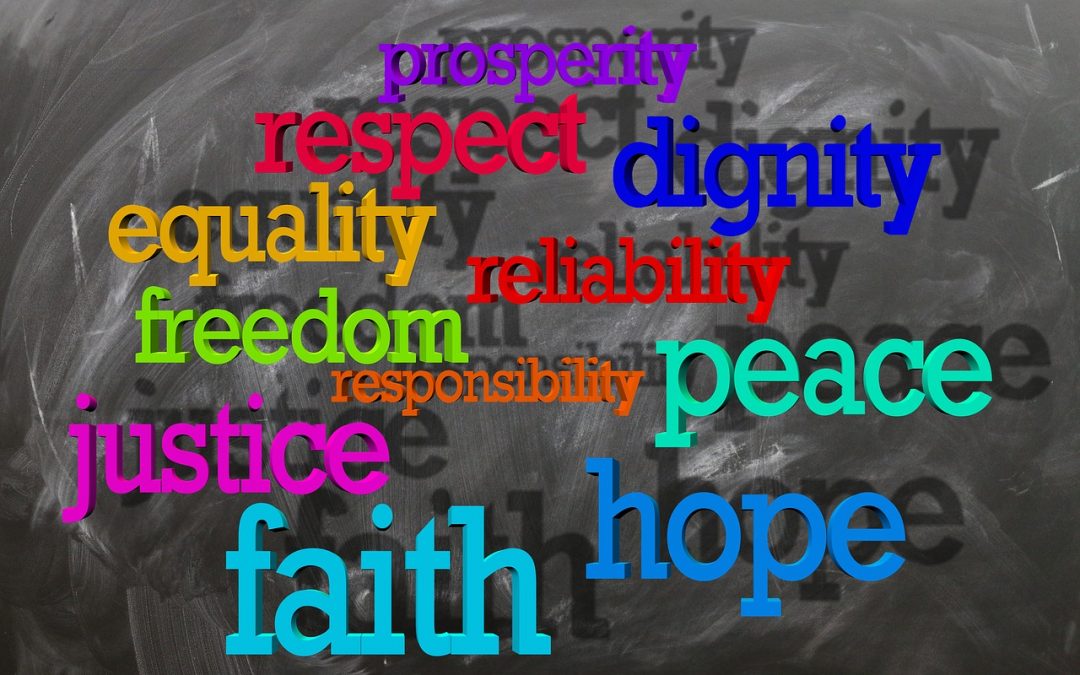
Just quickly analyzing the pledges, we can see that they both pledge under oath – as if swearing in court to promise to serve country as well as people of the country. Another word that is included in both of the pledges is, “Justice” for everyone. These pledges encourage oneness and freedom. How is this emphasized oneness and freedom taught in the classroom? Some days I wonder if the students are aware of what unity means and yet each morning the students have to repeat the pledge. In recent years students have seemed so unkind to each other and at times alarmingly so even amongst kindergarteners. “Brotherhood and peace.” – just listening to the students talking to each other, I often question if they understand what those words mean. If they did, they should be able to agree to disagree. There is hardly love for each other – let alone working with each other. While conquering the dilemma on a national level is far too complex to be achieved in the classroom, steps to treat each other respectfully and with dignity are reasonable goals and can be modeled there. The results of failing to do so are too great. The nonfulfillment of school staff and students to behave with dignity, courtesy and respect towards others can harm individuals and impair the functioning of all. In particular, harassment, bullying and victimization can cause fear, stress and anxiety, and impose strains on work, personal and family life. They can lead to illness, accidents, absenteeism, poor performance, an apparent lack of commitment, staff resignation or student withdrawal.
There are ways to remedy the situation and foster acceptance of all. These include, but are not limited to:
- Classroom walls-Many teachers groan when it comes time to decorate the classroom because it seems like such a low return on the time and effort invested. But putting up positive messages in your classroom can do so much more than improve the color scheme. You can include messages encouraging diversity, tolerance, acceptance and making your classroom a safe space. Making your classroom comfortable and accepting as a physical space can help students who are struggling in their personal lives, especially students who have become victimized
- Acknowledge Student and Teacher Emotions- When major events fill people with emotions, as, for example, the result of a presidential election can, it can make the classroom a very emotionally-charged place. One of the best things you can do after a major event is to create a space where everyone can acknowledge those emotions and ask questions freely while moderating the discussion. You can also connect the events to literature and other texts to help students build emotional intelligence.
- Explain Terms and Concepts Related to Current Events- It’s easy for parents and students to get up in arms over politically-charged events and debates, and while you may not be able to talk frankly about your own political leanings, you can at least clarify the meanings of certain words or concepts that are prevalent in the national discussion. For example, some students today may have trouble understanding what it means when a city is a “Sanctuary City”, and helping explain what those are can help the student make an independent decision and keep discussions civil.
- Foster a Sense of Empathy in your Classroom- Some students will probably speak out of turn or act rudely even when you’re trying to create a safe space in class, but by engaging with the student directly in a mindful, non-judgmental way, you can bring more empathy into your classroom. Many teachers consider empathy as the antidote to bullying, and there’s data to back that up. You can bring more empathy into your teaching by encouraging critical thinking and self-reflection.
- Lead by Example- This is much easier said than done, but students are always watching your example, and for every one student that asks a question that might frustrate you, there are four who wished they had spoken up to ask that question too. Remembering to practice empathy and patience isn’t easy, but putting in the effort will pay off by helping your students understand tolerance and making your classroom a safe space. We may not like it, but teachers are leaders to millions of students every day, and we can create a higher standard of behavior by showing students how to treat others with respect and sympathy.
In short, treat each other with dignity and respect, listen to each others’ points of view, recognizing that there may be disagreement, keep discussion and comments on the topic, and off the people and do not use inflammatory or offensive language, sarcasm, or raised voices.
There is a word that I often hear used in many organizations and at functions that I have attended. It is the word, “Harambe” which literally means, “all pull together” in Swahili and is also the official motto of Kenya and appears on its coat of arms. I say we should help to honor our class, and ultimately, our nation, by taking care of each other through human and civil rights.. We shouldn’t simply say it, but make every effort to teach, encourage and implement every part of the pledge according to our country’s pledge or affirmation. After all it begins what step at a time. It was Dorothy Heights who said that, “We had people of all backgrounds coming together – all races, all creeds, all colors, all status in life. And coming together there was a kind of quiet dignity and a kind of sense of caring and a feeling of joint responsibility.”
The Teacher, the Leader
by Marcia Davis-Dawkins | Apr 29, 2019 | Education, Kids, Parents, Teachers, Teens
Chasing Windmills
By Dr. Marcia Davis-Dawkins
I have often reminded myself that nothing happens in life without a reason and even when it seems odd at the time, later on in life as you are given a chance to think of the lesson/s learned from an encounter, the significance hits you when you have more wisdom and experience. Recently I decided to take a nature walk  and take care of my body on Earth Day. Whether you might see this has a mere coincidence or not, things just seemed to roll into place and as I walked and talked with a friend, and I realized that again, “nothing happens without a reason.” This time the friend encouraged me to watch a movie, which I promised to watch and I was true to my word. The movie entitled the The Boy Who Harnessed the Wind is based on the novel of that title, in which the protagonist and narrator, William Kamkwamba, are one and the same. In his memoir, a young Malawian man grows up in the rural village of Wimbe during the 2000 famines in Malawi. William has an incredible aptitude for science and engineering, though he is unable to stay in school due to a lack of funds. Self-motivated and resourceful, he finds books in his local library that allow him to learn about physics, electricity, and laborsaving inventions on his own. With the help of his friends, Gilbert and Geoffrey, William then builds a windmill so that his family can have free electricity that is not controlled by government blackouts. The windmill earns William the support of a Malawian professor, who helps William gain scholarships to school and a fellowship with TED Global that puts William in contact with other innovators and entrepreneurs across not the African continent, but the world. William embodies the values of hard-work, education, and helping others, maintaining an optimistic outlook on everything, despite the many troubles described in the book.
After I watched the movie I thought about how inspirational it was and especially because it was educational based, I couldn’t help but wonder how much influence we are as educators to help students live out their dreams. In the story, William’s father didn’t think he was capable of making the windmill even though he had made a “mock model” of it. His father thought it was simply a toy and when William asked for the use of his father’s bike to help to make the windmill, William was told to go help him in the field and to stop chasing a dream that would essentially take him nowhere. In essence, he sent him on his way and said he was wasting his time.
The school system also didn’t believe in William and had suspended him from school because his family was unable to pay his school fee. One of the things that resonated with me after watching the movie was how much some of our students take going to school for granted. Some of the students aren’t even aware of the fact that in some parts of the United States, or other parts of the world, because of poverty or other socioeconomic issues students/children aren’t able to attend school. Yet, they have the opportunities and are often wasting their time and energy. Then again, are they aware of how others in history fought to get them the opportunity to attend school? It also begs the question, are we teaching students their history? It is easy to say that it is not the educators’ job to teach the students their history, but to place it in the hands of their parents, but are the parents aware or are they qualified to do so? Yes, I know we have to wear many hats, but as we try to educate the whole student, I firmly believe that this is part of our charge. I also say that if we don’t know enough about the topic for instance, then we could read more about it so we can share. Essentially, since we are supposed to be life- long learners, then we can learn as we teach – which in turn, can make our teaching fresh.
In the book, William said and I quote, “I’m ashamed to see this school broken in such fashion. We should tear the whole place down and start from scratch, build it again strong and proud! Teachers’ houses also need to be shipshape, and students need new desks and books!”
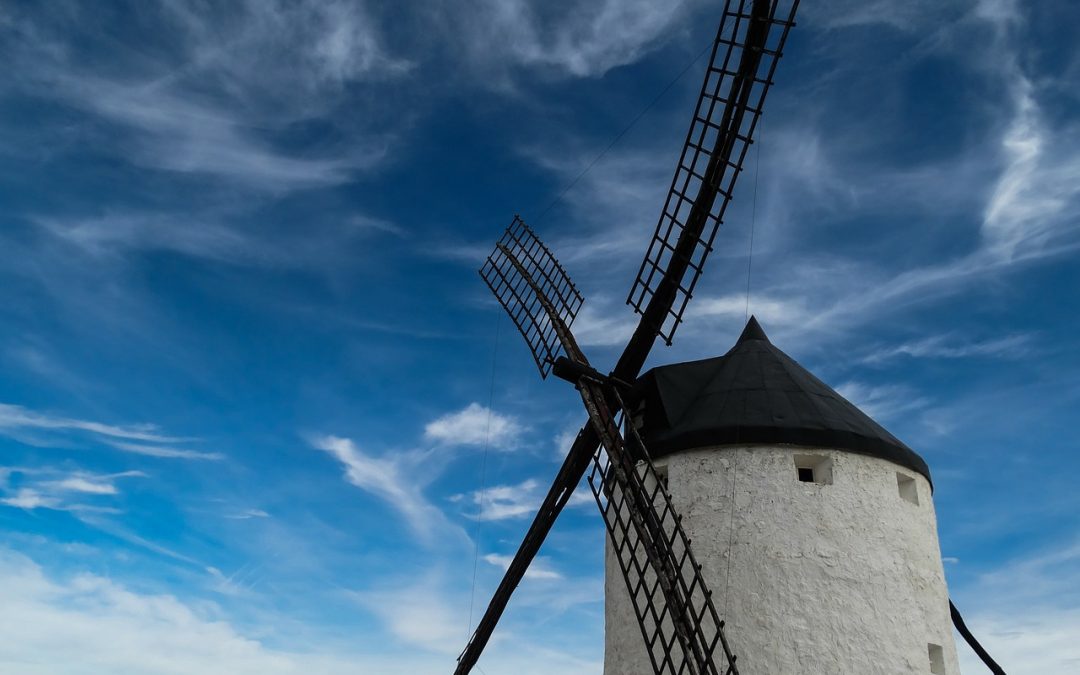
The aforementioned book reminded me of another somewhat similar story, Don Quixote written in the late 16th century. In that selection, the character of Quixote is a 50ish rather myopic man, seemingly deranged and obsessed with tales of knighthood, fantasy and chivalry. He battles illusory monsters, which are actually windmills. The stories are comparable in that perception is everything. The way we see the world is how it shall be. Both main characters accomplished what they set out to do because they believed that they could! If we choose to see good, there will be good. Great changes in life don’t happen by settling for what is in front of us. They happen by looking at the world in unique ways.
 It sent home another message that I had read from Hebrews 13:16, (NIV) “Do not neglect to do good and to share what you have, for such sacrifices are pleasing to God.” This further encouraged me to put into action my dream of helping students from my homeland Jamaica, who are less fortunate and very talented, and would also appreciate the extra assistance to push them further so they can run with their dreams, go on and, who knows, maybe build windmills like William. Give the students an opportunity to, as they say, “Chase windmills,” the glorious journey of chasing ideas bigger than themselves and remaining optimistic in the face of cynicism!
Work Cited
Mueller, B. (2019). “The Boy Who Harnessed the Wind, Plot Summary.” Lit Charts.LitCharts LLC, June 2017. Web. 21 Apr 2019.
I Can Do All Things

by Marcia Davis-Dawkins | Feb 5, 2019 | Education, Kids, Parents, Teachers, Teens
Loneliness and Mental Wellness
 By Dr. Marcia Davis-Dawkins
Have you ever felt alone? It is often said that we can be in a crowd, but still feel alone. Some skeptics might even ask, “How is that possible?” But truth be told, it is possible for people to feel left out in a crowd or even in the classroom. Take for instance the student who is new to an area or a school and because he/she has no friends in the environment then, he/she feels as if he/she doesn’t belong. There is also the case where the student has had some emotional issues in the family, now he/she feels isolated because there are hidden pains in the student’s life.
“Why doesn’t anyone want me?
At times, there are students who might have been abandoned by their parents so the students definitely feel unwanted and unloved. Their first thoughts might be, “Why doesn’t anyone want me?” or “Why me?” This type of loneliness might even lead to students inflicting pain on themselves or even lashing out at their fellow classmates. They might be verbally abusive to those around them in an attempt to mask their lonely feelings. Still another example, students might feel alone when going through puberty and are trying to figure out themselves, as sometimes is the case for students who are in the middle school (ages 11-14).
For adults, being lonely or being alone can be a time of reflection where one can take stock of where they are coming from, where they are now and where they plan on being for the future. Plus, for those who are religious, it can be a time of meditation with God – He usually reveals Himself to the meditator and gives plenty of understanding to life. Reflection can lead to understanding of oneself, so that there is no room for depression or anxiety. But, like most things, there should be balance where you should not dwell too much on the negatives in the past but learn from the past and use with moderation. It might be a time to ask not why is this happening to me , but rather, what is this teaching me?
In the long run, what we don’t want is to mask our feelings or hide our identity because of being hurt. Find someone you can confine in or use alone time to read a book or write your thoughts so you are not consumed with them. It is important to be yourself and not compare yourself with another person, thinking you are not smart enough, you are not beautiful/handsome enough, not rich enough, not outgoing enough. There are people who feel like they are so insufficient and aren’t satisfied with who they are.
Loneliness for Adults
 Also for adults, loneliness can come because of a lost spouse or loved one and things seems like your world in about to end because the person is grieving. For some, it can be a sense of confusion. Some might question themselves, even question God, or “Why did this happen?” “How will I survive without my spouse?” “Where do I stand?” “What will I do in the weeks, months, years to come without my spouse?” These, of course, are legitimate inquiries without immediate answers, but the interesting thing is that there is usually help, whether through family/friends support or from counselors. Whatever the situation, fear of being alone or the feeling that we will never make it – there is always hope.
 We might be lonely simply because people have disappointed us so much that we just want to be by ourselves and enjoy our own company. At times, we go through a period of loneliness because this time is needed for reflecting where we can assess ourselves and set new goals. Frankly speaking, we shouldn’t fight this aloneness, but embrace it and develop something that you might never have. It could be a time where we can get to know ourselves. At whatever cost and at whatever stage in life we are, loneliness is real and it affects our psyche. Whether we want to admit it or not, it can play a big part of our lives (young or old). It is no wonder why what Maya Angelou said is so poignant, “Music was my refuge. I could crawl into the space between the notes and curl my back to loneliness.” What is vital to remember and remind our struggling students is that if you’ve ever had feelings of loneliness, you are far from alone. Loneliness is one of the most common, if unpleasant, emotions that millions of people experience. For some it is passing, for others, it is recurring. But for all of us, it is a part of the human experience.
Emotions/Feeling

by Marcia Davis-Dawkins | Oct 1, 2018 | Education, Kids, Parents, Teachers, Teens
By Dr. Marcia Davis-Dawkins
In his First Inaugural Address, Franklin D. Roosevelt (FDR) said; “ The only thing we have to fear is fear itself.” I found myself thinking about that quote recently when I was enlisted to present professional development to a group of educators like myself. What I inferred from FDR was that if we fear things, it will simply make matters worse. In effect, it can damage our self-confidence and wane our ability to move forward. The fears we don’t face become our limits. Understanding that gave me the courage to work through my trepidation with favorable results.
As humans we fear many things,
so much so that there are several characteristics or forms of fear known as phobias. You name it and there is a phobia for it. Why do we have fear? In my case, was I afraid that my audience would berate me, or that I would falter in the delivery of the material? Why do you fear and what do you fear? The high school I attended in Jamaica had several huge lignum vitae trees on the school property. These trees provided shade for the girls, as well as a place to sit when we wanted to eat lunch outdoors. (Seats with tables were made around the trees). As wonderful as the trees were, during the school year they were filled with caterpillars – they were everywhere and infested our comfortable haven while we were trying to enjoy lunch or waited to switch classes. The fear was the caterpillars!!! We knew that they would eventually be beautiful butterflies, and our fear was irrational, but that creepy, crawly stage horrified us.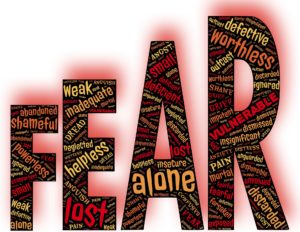
As educators we fear getting a bad evaluation, having a class we are unable to manage, missing deadlines, performing poorly on a test, among many other things. But I do want to point out that there are times when fear is an asset and becomes a strength — simply because we didn’t realize that we were capable of doing certain things.
Since we are all humans, we know that our students will have fears as well – fear of the teacher, fear of learning, fear of being bullied, fear of a new environment and even fear of the unknown. It is our job and one of the many hats that we wear to help them conquer their angst and help them to believe in themselves. Some of those same students might even have their teachers to thank because the teachers helped them to overcome their fears. I know that because I am one of those teachers whose former teacher helped me to conquer my fear of being a teacher! Let us encourage our students, fellow educators and ourselves since encouragement brings oxygen or nourishment to the soul. Remember that FEAR can translate to Forget Everything And Run or Face Everything And Rise. The choice is yours.
Rise Above

by Marcia Davis-Dawkins | Mar 22, 2018 | Education, Kids, Parents, Teachers, Teens
Perpetually Grateful
By Dr. Marcia Davis-Dawkins
Showing appreciation…
It has always confounded me that some people find it difficult to say “thank you” when they are given something. Showing appreciation just seems like the normal thing to do, but for some people it’s really arduous. I have had the opportunity recently to examine that for which I am grateful– things that I take for granted. What might seem trivial to some, but not to others – being able to breathe, see, talk, walk, have a place to live or even have a job. I believe that we should consider everything and every circumstance as a blessing, and therefore be grateful. We should not lose sight of gratefulness. I think it takes much effort to be thankful, but with constant practice it can become a habit.
How do I see being thankful? I believe that as I journey through life and its processes, I accept that everything I do and experience is for a reason and there is a lesson to be learned. Accordingly, I have begun looking for the lesson to be learned. It also means stepping back and reflecting on the experiences so I can elicit those lessons and then give thanks. I am reminded of a song that we. sang in the choir, by Brooklyn Tabernacle Choir, that says “In Everything Give Him Thanks” and it further instructs to “give thanks in the good times, in the bad times, let’s do the same.” It means that even when my childhood friend of many years is critically ill, and I am miles away from her and feeling helpless, I should not be paralyzed with sadness and remain idle. I can still be grateful that I know her, have shared amazing times with her, learned countless things from her, spent many quality times with her, shared laughters, secrets and even tears. I am grateful for the friendship we have and I know that we have grown even closer in the last six months since her cancer diagnosis. In fact, we have a group of five ‘friends  forever’ with whom we have a special bond and we celebrate our friendship and compassion for each other. I am thankful for the values we were taught by our parents to pray together, sing together, share our family difficulties together and tried to work out solutions. This empathy that we share is plenty for which to be thankful. We are always there for each other, in good times and in bad.One of the things that I hear is that even though our friend is sick, she always utter how grateful she is. A member of our team of the “friends forever” is always at the hospital helping our sick friend. We are giving thanks for her dedication and love. This love sincerely is from the love of God. Hence, we can pass on these special attributes to our children, students, and co-workers, reminding them daily that in the end, it is not what we possess, but what we shared, that is significant.
As humans we tend to be complainers, but we need to find something to be more appreciative about in EVERYTHING!!!! I am reminded of the old adage that some people see the glass half full, while others see the glass half empty.
 It is time to be enlightened and simply be grateful to have a glass.
Being an educator, we often feel overwhelmed with issues we face with our students whom we deem “unteachable” due to learning disabilities or because of behavior problems, but at times we can learn so much from the experiences we encounter. We are so caught up that we forget to stop and to be grateful for the challenges or for the fact that we may be the one to help make a difference to that student. The experiences usually make us stronger.
Being grateful has started to give me a different viewpoint on life and my journey of being renewed and empowered. Join me on this journey of making our thanksgiving perpetual!
The Power of Words

by Marcia Davis-Dawkins | Mar 14, 2018 | Education, Kids, Parents, Teachers, Teens
Change Our Positions!
By Dr. Marcia Davis-Dawkins
Socrates once said, “The secret of change is to focus all your energy, not on fighting the old, but on building the new.” Change can be difficult and I am sure most people would agree that they have had regrets, things that they could redo if given the opportunity. There are others who would say, “What is the point of starting over, I am not good at this so why bother!” I beg to differ. Change means reinventing one’s self and while difficult, is often necessary and ultimately rewarding. Lives may need to be modified after a failed marriage, a failed relationship, losing a loved one through death, changing a career path, losing, or starting a new job. In essence, change is usually a result of a heart being broken or a mind being opened. Some might say, why change when I am so old? In response, I am reminded of C. S. Lewis’ quote “You are never too old to set another goal or to dream a new dream.” 
Change is new process in our lives.
Why might adjustment be necessary? I learned to drive using a stick shift and it was very intense. I clearly remember the driving instructor saying that I should listen to the engine as this was an indicator that the gear needed to be changed after it reached a certain rev count. Sometimes in our personal lives, we need to change because the rev count is different. We need to change the way we think. We want to be transformed by the renewing of our minds. Many people use a new season to take inventory of their lives and try to change situations. For me the season is springtime, when there is a new burst of energy, new growth, new buds, freshness, birds chirping, simply newness. Springtime is especially meaningful for me since it’s when I celebrate my birthday. This year, I want to change from inside out. I will become more beautiful and set myself free, free to soar to new heights. Transition and difference describe the process that occurs within each of us when change happens. I firmly believe that it’s all about the process. What goes on within us as we go through the changes include the pats on the back, having “aha” moments, the getting to know self, and the skepticisms from people. But through it all I know that one of the things that makes a difference in the change process is to avoid and ignore people with negative vibes and surround myself/ourselves with positive people. Change means immersing yourself with people who will encourage and pat us on back. It also means doing more positive self-talk, setting positive affirmations and pushing in the direction where you are heading. This enables us to refocus, while celebrating the little steps made and shifting our attention on the goals set. Just because we started down one path does not mean that we need to finish on the same path. We have the power to say this is not the final destination, that this is not how the story ends. That type of thinking gives us validity to shift directions and allows for metamorphosis.
How do we relate to change in education?

If we have been teaching for a while, we realize that things are always changing – there is change in the curriculum, change in state tests, change in grade level that is taught, change in leadership, and redistricting. How do we adjust to the various changes? Generally, we adopt by changing our mindset and think positively and press towards the goals. We anticipate and adjust the process of transition and avoid resisting the change so that life can be productive. Let us let go of the past – guilt, anger love, loss, or betrayal and fight to move on –MAKE the CHANGE!
It’s Never Too Late To Start Over