by Marcia Davis-Dawkins | Nov 14, 2017 | Education, Kids, Parents
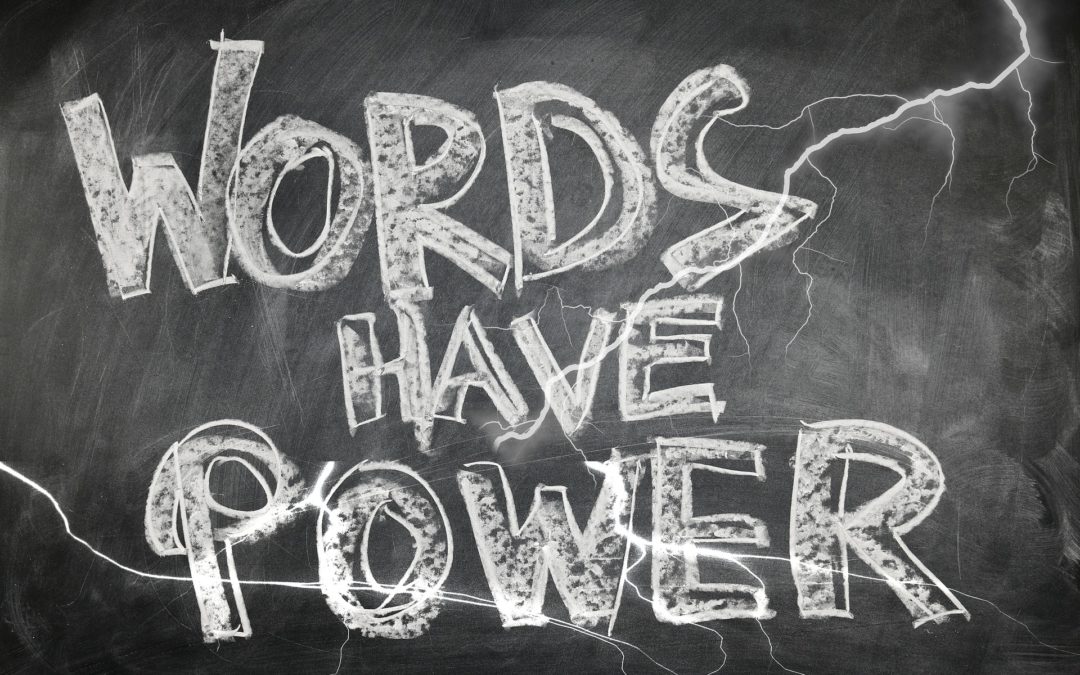
The Power of Words
By Dr. Marcia Davis-Dawkins
Growing up, I was often compared to many, including and especially to, one of my siblings. What is interesting about this situation is that I am the first of six. This meant that the comparison stung more than others because I should have been the one who served as the role model for my siblings.
Self-Confidence 
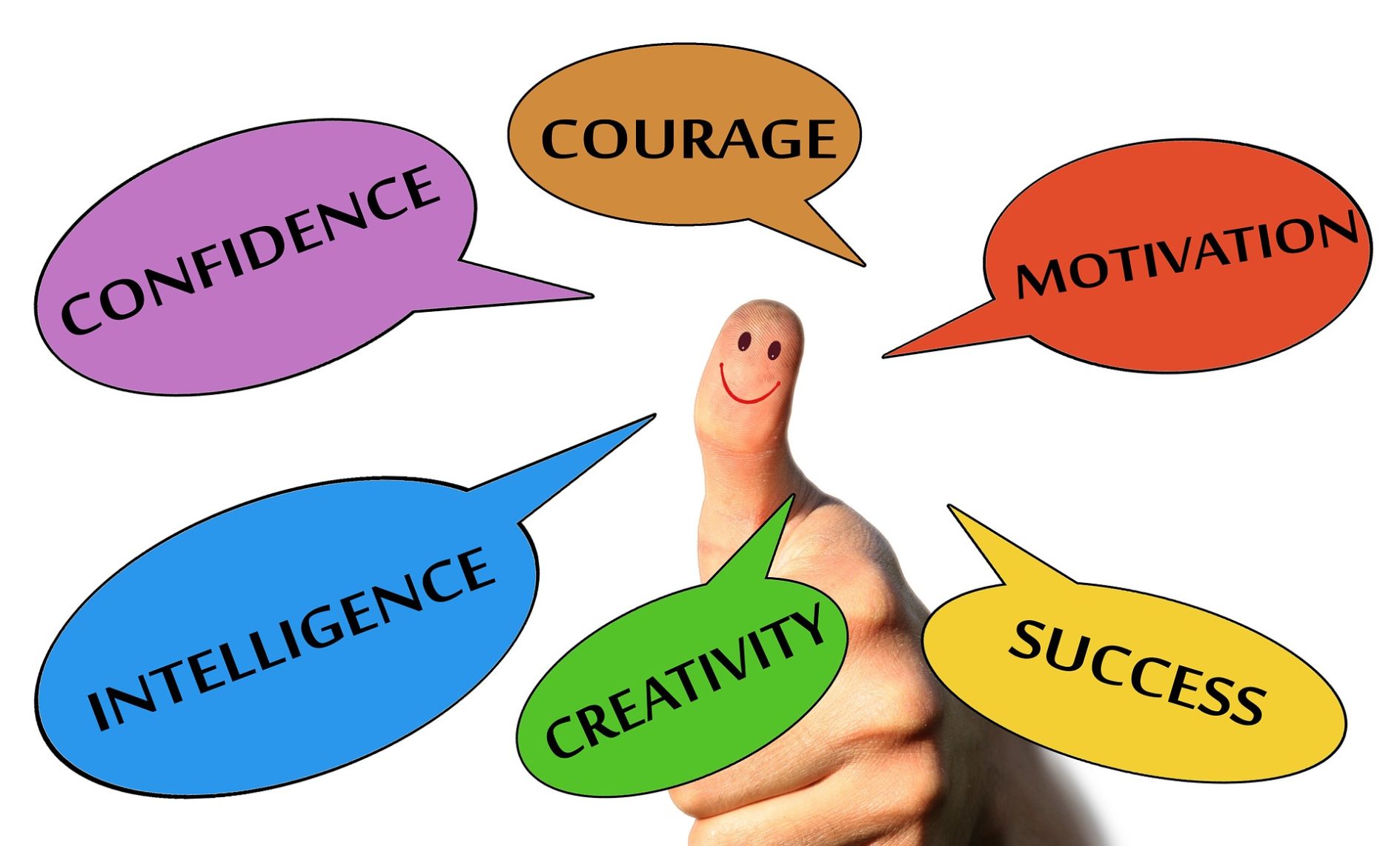
My self-confidence has been on a roller coaster ride to the extent that in my youth, many adult mentors chose to underscore my faults rather than encourage my proficiencies and potential. In other words, my accomplishments during those years were not expressed as ‘achievements,’ but rather any minute negative was highlighted, emphasized and broadcast to the world.
There is a very well- known verse in the bible that highlights the fact that there is life and death in the power of the tongue (Prov. 18:21 NIV). By extension, Deuteronomy 30:19 encourages the former, saying that we should choose life. Accordingly, when we speak to others, our words should speak life, not death. This way of life also has great rewards.
Another encouragement passed down through generations is “If you don’t have anything good to say, don’t say it!” Speak life to yourself and your students.
Rise above the negative utterances people have to say, and ensure that they do not bear fruit or are repeated. Only repeat words that are true and positive.
My heritage molded who I was destined to be, but I had to change my mindset from the consistently negative words inadvertently hurled at me so I could become prosperous and productive.
Like many things, change is difficult. I realize however, that there is the opportunity to be a beacon of hope for others to whom I am exposed. Self-motivation contributed significantly to my ability to spread the good news to my students. Justice Clarence Thomas once said, “The old man Can’t is dead, I helped to bury him.” In fact, I have those words hung in my room so that my students can share the experience. I have even had some of my students perform the burial of Mr. Can’t! I have literally seen the difference. I want them to treasure education just like a hungry man treasures food. I want my students to see learning/education as a way to grow – the same way food helps them grow. They can develop through education that will take them places. I find that often, the students give up too easily, and if I can encourage them positively through my words and my actions, then they will start to believe in themselves.
HOME
by Marcia Davis-Dawkins | Nov 7, 2017 | Education, Kids, Parents
 “A friend in need is a friend indeed!” I have been both privileged and blessed to have the same set of friends for over forty years! To me, that is an amazing accomplishment. I know that if I were to look up the definition of friendship, I would find words such as trust, loyalty, and support. According to Maslow’s Hierarchy of Needs, we all need to belong. We all need someone with whom to identify. We all long to be a part of something more considerable than ourselves, whether it be a family, a clique of friends, a religion, a group of co-workers, a choir, or unfortunately, even a gang. The idea is that we want to be an important part of something greater. Sometimes we yearn to belong to a group so we can cover our emotional pains. We hunger to know that people care about us, because in many ways, love heals. Friends protect us from being lonely, and comfort us when we are down and discouraged. Friends are also supportive and encourage fulfilling and rewarding conversations.
As an educator, it is my duty to teach my students how to care, one of the most important functions of being a good friend. I can do this through several areas, one of which is simply to know my students’ names. Some teachers find this task daunting, especially when assigned a roster of nearly one hundred students. But just as the time cultivating friendships in our personal lives reaps rewards, so will learning the children’s names. This sends the message to them that they are important, that we recognize them as individuals, and that they matter. It also builds a sense of community within the classroom. Not to do so makes we educators appear disinterested and unapproachable. Accordingly, why should the class be interested in us and more so, what we teach, when they don’t feel valued and recognized?
A caveat should be offered here, however. Students need teachers who inspire them to grow and be more than they are today, not an imitation of their current selves. Some teachers, in a misguided effort to be “friends” with their students, dress and act like their students. A true teacher/friend remains clearly adult, promoting learning and offering insight.
Another way of showing that we care is to demonstrate compassion. Some people believe that a compassionate classroom lacks academic rigor, but it is just the opposite. When students feel that they belong and are genuinely cared about, they are more likely to take on challenges. They know that even if they fail, they will be buoyed by support and encouragement. Methods such as short conversations and kneeling down next to a student for discussion while making eye contact garner far better results than yelling and looming menacingly overhead. By showing compassion, the student will eventually reciprocate that same behavior, to fellow classmates and friends alike. Just as we don’t write off our friends after a small disagreement, we should also have a forgiving heart with our students. Each day starts with a clean slate, and we never know how that simple act of thoughtfulness can impact a student’s life.
HOME
Determination and Perseverance

by Marcia Davis-Dawkins | Oct 30, 2017 | Education
By Dr. Marcia Davis-Dawkins
Henry Wadsworth Longfellow once said, “The heights of great men reached and kept were not attained by sudden flight, but they, while their companions slept, were toiling upward through the night.” When I was learning to write cursive, this was one of the quotations that I had to write over and over again, and to this day, it is ingrained in my brain. As I got older I realized how deep and meaningful these words were and I use the quotation as often as I see necessary to encourage and uplift others and myself who may read whatever I write. It encourages me to set goals, strive for the best, persevere and set standards, and finish whatever I have started, and most of all NEVER give up!!
Throughout my life I have had failures – failed exams, failed relationships, failed interviews, failed lesson plans or lessons taught, failed friendships, heartaches, heartbreaks, among others. What have I learned from these disappointments? I have learned things about me that I didn’t know before and I have learned to set the bars higher at times and reach again for my goals. Another lesson learned from my failures is how to be confident. Failure shows me that I need to fight even when the road seems rocky. My shortcomings are temporary setbacks, but I can move forward. I can use my failures to reach out to others and encourage them and say, “I was there and this is what I did, and look where it got me!” I got over the hurdles and I’m going to the finish line.
From the ‘failure” experiences, I have learned that, like the Greek philosopher Plutarch said, “What I achieve inwardly will change outer reality. “ I can give of my time to students, co-workers, and others I come in contact with when needed. Even when I experienced nausea and gut wrenching pain, I am still willing to help and show acts of kindness.
I have realized that I am a survivor and each time I have to dig deeper to float above water. As a non-swimmer who loves water, I know I can sit, relax, meditate and listen to the sound of the water, but not submerge. I know my limits! I know how to persevere and I can help those who need help to persevere! I have been acquainted with failure and I know it is not fun, but I channeled my energy to achieving! I realize that attitude is more important than aptitude and I AM disciplined!
by Marcia Davis-Dawkins | Oct 30, 2017 | Education
By Dr. Marcia Davis-Dawkins
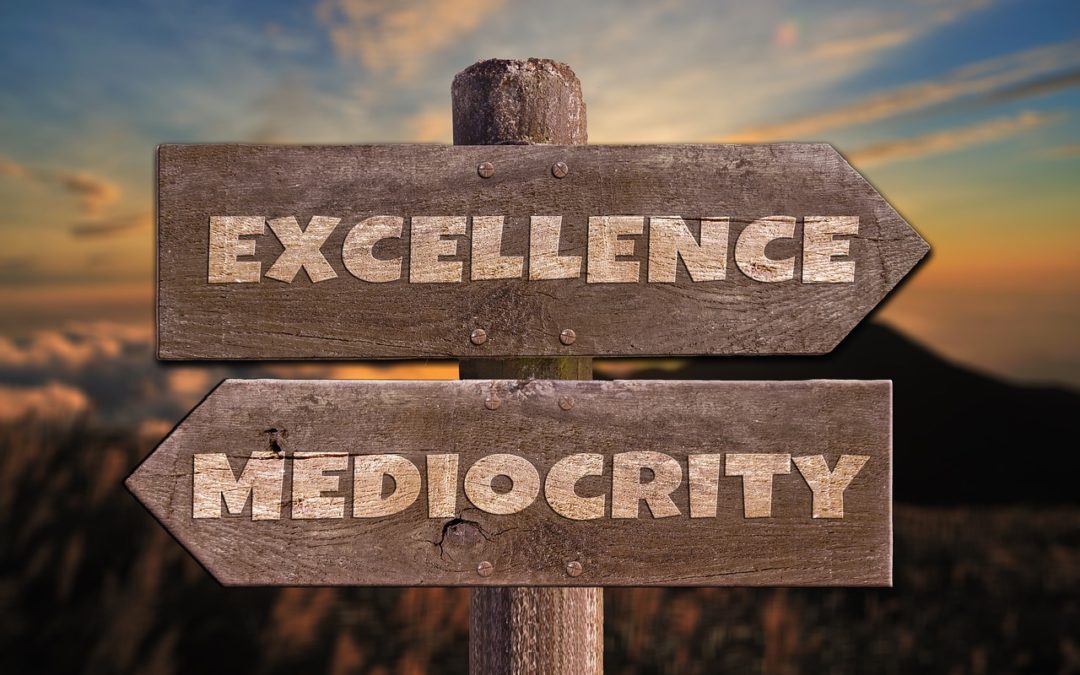
When I was growing up, one of my primary school’s motto, was “Only the best is good enough.” As I grew up I often thought of the meaning of this motto and why it was used. Webster’s dictionary defines” best” as “of the most excellent, effective, or desirable type or quality.” A person is asked to give his or her best at all times because that is the only thing that is accepted and nothing less. What was the reason for this motto for a school or for anyone to use? How does a teacher know when a student is giving his or her best? As a professional teacher who has worked with several students over the years, I can say that I get to know the students and their capabilities. I can figure out that there is more in this student and the student is giving the highest level that he/she can achieve. I truly believe that we were made for more – “I can do ALL things” is a quote from the Bible (Philippians 4:13) and it empowers us to give of our best – strive for excellence. Ralph Marston once said, “Excellence is not a skill. It is an attitude.” So then we can say that our best is not necessarily a skill, but it’s our attitude. It begs the questions, what is my attitude as a person? What is my attitude as teacher? What is my attitude as a professional? Is my attitude my best? I believe that if I give the best of myself, then it will transcend to those I come in contact with, especially those I teach. Everyone will eventually expect the best from me and aspire to do his/her best for me. This will no doubt follow the person I have inspired to do his/her best always. With positive reinforcement and support, students, as well as those who are entrusted in my care, can learn and adapt to quality work.
by Marcia Davis-Dawkins | Oct 24, 2017 | Education
No child learns the same way!! Growing up in the early 70’s and 80’s the teaching styles of most teachers was the lecture style. The notion of “one size fits all” is a thing of past. The 21st century brings about a new paradigm of learning so that teachers can reach ALL learners.
What is differentiated instruction and why is it being utilized in the 21st century? Simply put, differentiated instruction means adjusting and teaching students to the way they learn. In other words, a teacher might have a classroom filled with 20 students and each of those students learns differently so, within that classroom, he/she will have different styles/ways of teaching them. This might seem crazy you might say, but it can be done so that effective learning can take place for students. It is also the teacher and the student working together collaboratively so that the learning fits. According to Carol Ann Tomlinson, one of the differentiated instruction gurus, “The idea of differentiating instruction to accommodate the different ways that students learn involves a hefty dose of common sense, as well as sturdy support in the theory and research of education. It is an approach to teaching that advocates active planning for student differences in classrooms.”
You might wonder, where is the world would a teacher find the time to cater to the needs of ALL students? Juggling all these roles effectively is a mighty endeavor, but can be accomplished. Since there are four types of learners, it is could be difficult. The four types of learners are the Visual Learners, the Auditory Learner, the Reading/Writing Learner and the Kinesthetic Learner. How does one teach the same topic to the Auditory Learner vs the Visual Learner, the Kinesthetic Learner vs the Reading/Writing Learner? There is so much to do as a teacher Differentiated instruction, in a sense, opens doors for students’ differences and helps the teacher to make the students “fit in.” How does differentiation help the teacher you might ask? Yes, it lends to more planning time, but it can be done. I do know that I share the idea that Carol Ann Tomlinson said, “Teachers in the most exciting and effective differentiated classrooms don’t have all the answers. What they do have is optimism and determination.”
The 21st Century, no doubt brings many changes including education and as an educator I am called upon to teach and differentiate so all learners benefit. The way I taught right after I left college in the eighties is definitely not how I teach currently. In order to keep abreast with the varying techniques of reaching “all learners” in the classroom it is necessary to upgrade my style of teaching on a regular basis. So it behooves me to keep my learning wheel turning so I will be fully prepared to drive the learning force in the classroom and meet the needs of ALL learners. I want my students to come into my classroom with a clean slate and I won’t listen to former teachers’ preconceived ideas about them, but try to reach out to them in my special way and realize that everyone is diverse in nature and should be treated as such. “The mediocre teacher tells, the good teacher explains, the superior teacher demonstrates, the great teacher inspires.” This is how I see myself: an inspiration to my students.
Reference
Tomlinson, C. A., (2000). The Differentiated Classroom, Responding to the Needs of All Learners. ASCD, Alexandria, VA, USA

by Marcia Davis-Dawkins | Oct 23, 2017 | Education
Albert Einstein once said, “A person who never made a mistake never tried anything new.” New? As a classroom teacher, I have met and taught students of various cultures and background. It has been a great experience and I often used the opportunities to learn from them (the students) and I have actually identified with them. Throughout the years of teaching, the students have shared emotional stories that indeed changed my life. Somehow I realized there was a purpose in my teaching and being associated with students, especially English Language Learners (ELL) validated that notion. As an immigrant from a small Caribbean island, I understand what it means to be in a country with a different culture. I know how it feels to be scowled upon because my accent isn’t the same as the typical or my skin or hair color is not like most. I know what it feels like to be away from “home” and start over and begin a “new home.” New home, new school, new food, new culture – phew! It all sounds so exhausting and now to learn in a classroom with new classmates and new teacher!
As a teacher, I have to adjust how I teach and how I respond to ALL students. I have to wear several hats – teacher, counselor, mother, wrestler, referee, coach, psychologist etc. etc. How would I wear so many hats? I have to get to know the students, their culture and how the role their cultures play in their learning. Over the years as a teacher, I have learned several things from my students. I remember a lesson we had about migration and immigration, I was explaining to the students the meaning of the words “migration and immigration” and I explained how I migrated to the United States and where I lived before. I asked the students to tell if they knew anyone who migrated to a country and so on. Some of the students said that they had migrated etc. Things were going great until I noticed that one of the students sitting in the back was sobbing I took him to the side as my collaborating teaching continued with the lesson. After a little probing I that the student had walked from Mexico to come to the United States and had left his grandma behind whom he loved very much. He had walked for days and only ate apples on the journey!!! I realized that even though the lesson was suppose to be an “easy fun loving” one, it affected this particular student differently. He later volunteered to share his story to the others in the class and it became a very emotional lesson for all. The students were very sympathetic to him and they understood his sadness.
One of the highlights of the 21st century is the concept of diversity, which entails inclusion of students in the classroom. If diversity in the classroom is managed, it will help students to prepare for the globalization, which is being encouraged on the international scene. Learning to respect diversity in the classroom would carry over to their adult lives and greatly lessen much of the divisiveness a community, an organization or a country might face. This in turn would help students prepare for the globalization.
home